Pan African Studies 300OL
“Contemporary Issues in the
African American Community”
Pan African Studies Department
Spring 2007-2008AY
Ticket No. 14844 Johnie H. Scott, M.A., M.F.A.
Time: Arranged Associate Professor of Pan African Studies
Online Course
Spring Semester, 2007/2008 (818)
677-2289
3 Units, General Education Office Hours: By Arrangement
Comparative Cultural Studies; Email
Section B/Multicultural Requirement
Description:
Prerequisite – Completion of the Lower-Division writing requirement. An in-depth exploration of the social, political, cultural and economic issues in the African American community accomplished through the Distance Learning methodology. Provides insight on the extent to which these issues affect the Black individual and family in their interaction with the majority American society. This particular Pan African Studies section offering of “Contemporary Issues in the African American Community” makes extensive use of the latest cutting edge information technology (i.e., the Internet, email, WebCT, and various software applications) and is student-centered...
Textbooks:
Required:
1) Dyson, Michael Eric, Debating Race with Michael Eric Dyson, Basic Civitas Books, A Member of the Perseus Books Group, © 2007;
2)
Mauer, Marc, Race to Incarcerate, The New Press,
3) Mosley, Walter, et al, Black Genius: African American Solutions to African American Problems, W.W. Norton, New York, NY, © 1999;
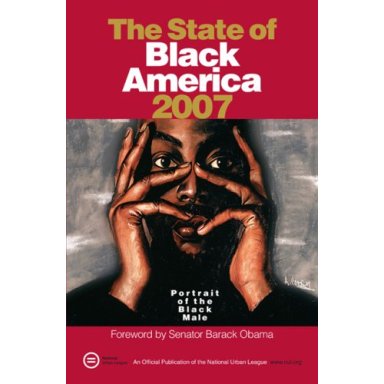
National Urban League
President Marc Morial, in the NUL’s annual
4)
National Urban League, The State of
5)
Tatum, Beverly Daniel, Can We Talk about Race: And
Other Conversations in an Era of School Resegregation, Beacon Press,
Strongly Recommended:
6)
Gibaldi, Joseph, The MLA Handbook for Writers of Research
Papers/Sixth Edition, published by the Modern Language Assn. Of
7)
Holbert, Steve and Lisa Rose, the color of Guilt
& Innocence: Racial Profiling and Police Practices in
8) Williams, Juan, Enough: The Phony Leaders Dead-End Movements, and Culture of Failure That Are Undermining Black America – and What We Can Do About It, Three Rivers Press, New York, NY, © 2006.
Important Note:
Books for this course can be ordered for express delivery from the CSUN Matador Bookstore – (818) 677-2913 -- located on the Northridge campus. Those supplemental readings listed for either the Los Angeles Times or LA Weekly can be obtained by visiting the WWW websites of the publications, going to the “Archives” for each newspapers and entering the title(s) of the articles, then retrieving the same (Note that for the Los Angeles Times, articles older than 14 days may be obtained for a nominal sum payable to the newspaper – Professor Scott)
Requirements:
First of all, every
student enrolling in this course must have direct access to a PC at all times. This includes making provision for access to backup
PCs, e.g., CSU Northridge’s Oviatt Library, in the event that the one a student
may own is not functioning. In this class (and similar Distance Learning
classes where the primary instrument is the information technology), there is a
ZERO TOLERANCE policy for “late” submissions;
Each week begins by first
providing a theme that focuses on one of the many issues to be found within
Black America. Students are provided with a link to the “Child Watch” website
featuring the thinking of Marian Wright Edelman, Executive Director for the
Children’s Defense Fund, the nonprofit institution based in
All students are to read these columns which set the direction each week. Those statements are directly accessible to the students as they go to the course syllabus. The Issue and Word Up are to be treated with the same seriousness and reference as the required textbooks for the course as they are, in effect, the “course lectures” by the professor with The Issues presenting, if you will, Marian Wright Edelman and/or others as “Guest” lecturers with noted expertise.
Lastly, students are given ample time to complete the
assignments provided they practice good time and study area management.
Distance learning courses require the type of student who is highly independent
and self-motivated. That observation is certainly true for this course. The
course evolved out of a special program designed by
a) Examinations: there are the Midterm and Final Course Examinations. Both are essay-format. For the Midterm, students respond to a series of questions posted on-line by the instructor that are based upon readings in Debating Race with Michael Eric Dyson, Beverly Daniel Tatum’s Can We Talk About Race?, Walter Mosley’s Black Genius: African American Solutions to African American Problems, other assigned course readings and the feature films and documentaries viewed as part of class instruction, and the Word Up! Weekly lectures by the course instructor. Students will have two weeks in which to complete the Midterm Examination while answering the questions. The Midterm Examination is to be written using large Blue Books and then either (a) brought to the PAS Department Main Office at CSUN in the Santa Susana Building, Room 221, by the prescribed deadline or (b) sent via the US Post Office Overnight Express Mail or through a carrier (e.g., Federal Express, UPS) with the student making certain that, in any case, the examination has the deadline postmarked as no “late” examinations will be accepted – No exceptions! The Final Examination is an Exit Essay comprised of one question posted to the class on email. Students, in responding, must use Microsoft Word and send the Exit Essay back as an attachment. The Exit is posted for 12 hours in which time the student is to respond, submitting by the stated deadline. No “late” exit essay exams will be accepted for grading. The two examinations are averaged together in establishing the first primary grade component;

President of
a national reputation in articulating
thought-provoking, insightful opinions
about race and racism in contemporary American
society.
b) Film
Evaluations: Each student must have an email address and computer
access. This access is crucial in that a key component of this Pan African
Studies “Contemporary Issues” class are a combination of ten (11) feature films
and documentaries that students view and then post formal evaluations on. The
film evaluations are sent via email to the instructor at the time noted in the
syllabus or directed by the instructor. These evaluations are based
upon videotapes of feature films and documentaries available at major video
rental outlets (i.e., Blockbuster, Tower, etcetera) viewed by the student at
the instructor’s direction. Those videos available in the Oviatt Library’s
c) Chat ‘N Chew: Each student is assigned to just one of the five “Discussion Rooms” in the Chat ‘N Chew Forum. For the semester, the student participates in this virtual classroom meeting with the course instructor (for the record, each student will be assigned to a specific Chat Room and Topic by the instructor in assuring opportunity for dialogic interchange with other class members ). Each Chat ‘N Chew Forum runs for 120 minutes and participation is mandatory. Every student enrolled is required to participate in one of these Forums in responding to the issues being put forth and discussed by those other students. It is expected that students will have completed the necessary reading and/or viewing of films prior to the actual Chat. The student receives up to 4.0 points for participating in these discussion, for a total possible 4.0 points maximum (Read: 4.0 points is equivalent to an “A” for with Chat ‘N Chew Forum representing the third primary grade component. The instructor’s assessment of points will be based on the seriousness, reflection and quality of the student participation;
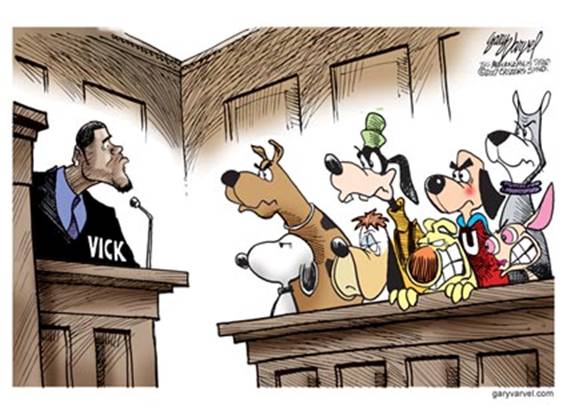
Michael Vick, now serving time in a federal prison
after conviction of sponsoring illegal dog fighting and gambling, lost millions
of dollars in salary and endorsements as a result – not to mention the
adulation of millions of youth as the quarterback for the Atlanta Falcons. But
he was not alone in falling from grace as former Olympian Marion Jones and
others made headlines for bad moves as the once bright image of the Black athlete
became sadly tarnished – one of the issues to be discussed in this PAS 300
class.
d) Rap Time (Bulletin Board): For each week of the course up through “Review Week,” students will have the opportunity to “rap” with one another in this setting which is much like a Chat Room. The exception is that the instructor will post one topic each week taken from today’s headlines where Black American is concerned for dialogue that the students in the course can respond directly to. “Rap Time” provides the student with an opportunity to post a first response to a discussion prompt provided by the course instructor with several of these drawn from the class having read the National Urban League’s The State of Black America 2007 along with Debating Race with Michael Eric Dyson. The first posting by each student is in direct response to the course instructor’s question. That initial posting is valued at up to 2.0 points. The student then receives up to 1.0 points per reply to the postings made on the same prompt by two other students for a total of 4.0 points per “Rap Time.” There are four (4) Rap Times sessions during the term. Students have 3-4 full weeks per Rap Time in which to give their own best thinking on a given issue. Rap Time constitutes the fourth primary grade component in the course; and lastly
e) Contemporary Issues Case Study: This is the one formal writing assignment. The student develops a topic based on reading and research related to Marc Mauer’s Race to Incarcerate or selected course subject matter. This case study must be at least 2,500 typewritten words, double-spaced and written according to Modern Language Association guidelines. It must contain no less than 15 citations done according to MLA guidelines and have a “Works Cited” section with no less than five (5) references. Make special note that any references (i.e., critical reviews, feature articles, etcetera) taken from the Internet must be of “Peer Review” caliber. The Case Study represents the fifth and final primary grade factor for the course.
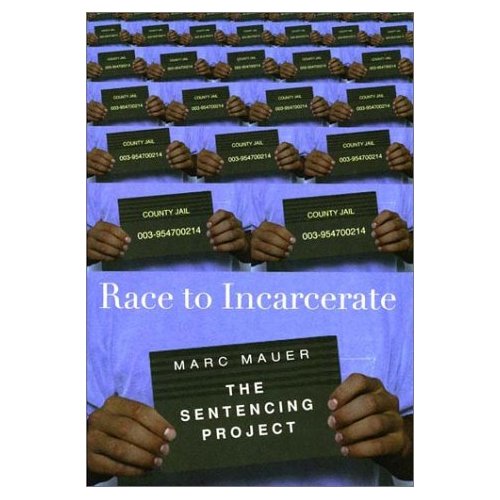
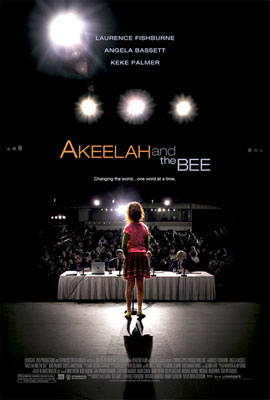
f) Bonuses: The sixth and final grade factor in this Contemporary Issues in the African American Community permits students the opportunity to accrue bonus points, i.e., extra credit, where their final course grade is concerned. To do so, there are two (2) Bonus Film Evaluations that students can elect to do – either both, or only one. That choice is the student’s to make. These Bonus evaluations must be at least 750 words in length. They must conform to the format for all film evaluations submitted, to include meeting the announced deadlines. The first Bonus Evaluation is on the ABC-TV World Premiere of Lorraine Hansberry’s award-winning work A Raisin in the Sun – with this being the 2004 Tony Award-winning production starring Sanaa Lathan, Phylicia Rashad and Sean Combs airing during Black History Month. The second Bonus Evaluation is based upon the Image Award-winning film Akeelah and the Bee (2006) starring Laurence Fishburne, Angela Bassett and Kiki Palmer. Each evaluation is valued at up to 1.0 Bonus Points for an aggregate of 2.0 points if the student writes on both films and receives the maximum award with the organization and development of the submissions. Those bonuses are added to the points of the five primary grade factors – with the GPA then arrived at in dividing that total by five, rather than six. Any other Bonus points will be a matter of determination by the course instructor, if there are any at all.
Grading Scale:
Grading for the course is on a “Plus-Minus” basis as described in the 2006-2008 CSUN Undergraduate and Graduate Catalogue. The final grade is based upon the cumulative grade point averaged derived from the five (5) aforementioned primary grade factors combined the Bonus Points factor. Final grading shall be as follows:
“A” = 3.7-4.0;
“A-“= 3.5-3.69;
“B+” = 3.3-3.49;
“B” = 3.0-3.29;
“B-“= 2.7-2.99;
“C+” = 2.3-2.69;
“C” = 2.0-2.29;
“C-“= 1.7-1.99;
“D+” = 1.3-1.69;
“D” = 1.0-1.29;
“D-“= .7-.99;
And
“Fail” = 0.0-.69.
The grade of “Incomplete” shall only be issued to those students doing passing work (i.e., “C” or better) who are forced due to circumstances beyond their control – and subject to full documentation – miss submitting the Final Examination and/or Case Study.
Course Schedule
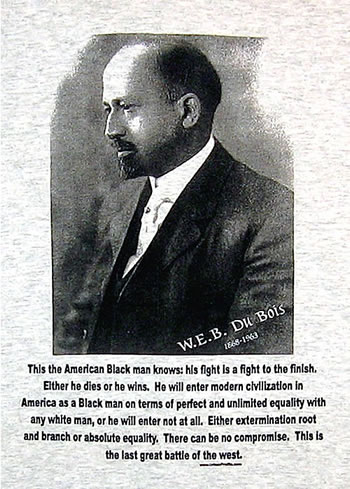
It was Dr. William Edward Burghardt DuBois who first
observed that “the problem of the 20th century will be the problem
of the color line.” (Souls of Black Folks, 1903). It very much appears
the paradigm as stated by DuBois has not changed with the arrival of the 21st
century. Exploring that paradigm stands as a prime focus for this PAS 300
Contemporary Issues course.
Week
One A Laundry
List of Issues: Where Do We Start?
January 22nd-26th,
2008
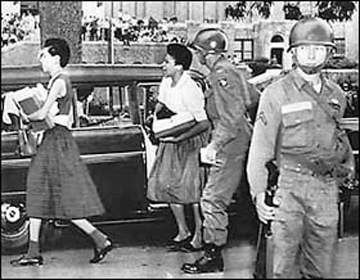
One
of the most famous pictures of all time is what one has here with this
photograph taken of the Little Rock Nine
– those courageous African American boys and girls shown here under National
Guard protection – who braved racist white mobs and death threats from the Ku
Klux Klan to integrate Central High School and open the door for racial integration
across the nation.
·
The Issue: “Redefining what it means to be
Black in
·
Word Up! – “A Message to
Generations Yet Unborn: Black
·
Week Two The Black AIDS Pandemic
January
27th-February 2nd, 2008
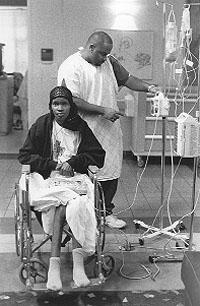
HIV/AIDS patient Dorothy
Jean Travis, now deceased, shown receiving treatment during latter days of her
life as profiled in Sara Catania’s award-winning LA Weekly feature
“Losing Dorothy: If You’re Black and Poor in L.A., Silence Still Equals Death.”
·
The Issue: “AIDS – the Undeclared War on
People of Color”
·
Word Up! – “AIDS – The
Undeclared War on the Poor” (WAVE Newspapers,
·
Screening: Black Is, Black Ain’t (1994, A Marlon Riggs Film – Title
available for viewing at Oviatt Library’s IML)
·
Reading: : “Re-imagining Black Masculine
Identity: An Investigation on the ‘Problem’ Surrounding the Construction of Black
Masculinity in America” by David J. Johns, The State of Black America 2007; “Losing Dorothy: If You’re
Black and Poor in L.A., Silence Still Equals Death” by Sara Catania, LA
Weekly, June 1-7, 2001; “Movin’ On Up? Segregation, Integration, and
Assimilation,” pgs. 3-24 from Debating Race with Michael Eric Dyson.
·
Rap Time #1: “Of Don Imus, the N Word and Political Correctness” (Opens as of
1:00pm Wednesday, January 23rd. Everyone is to first read "Shock (Jock) Therapy? Bill of Rights," pgs. 387-390 from Debating Race with Michael Eric Dyson in preparing for this initial Rap Time. Students then have through 1:00pm
Wednesday, January 30th, in which to respond to original Rap Time
Writing Prompt. They then have until 1:00pm Wednesday, February 13th,
in which to post responses to the postings by any two classmates to the
original Writing Prompt. Students are to make no more than three postings total
for any Rap Time)
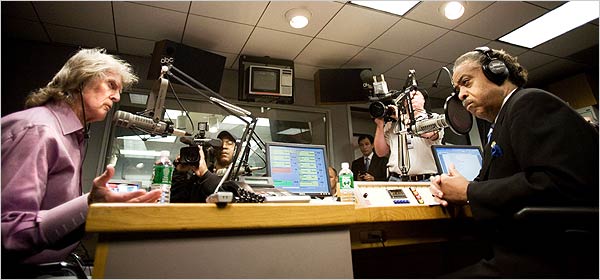
Shock jock Don Imus is shown
here on Rev. Al Sharpton’s weekly national radio show in aftermath of Imus’s
infamous remarks on
Week
Three "Young Black Males and the Prison Industrial Complex"
February 3rd-9th,
2008
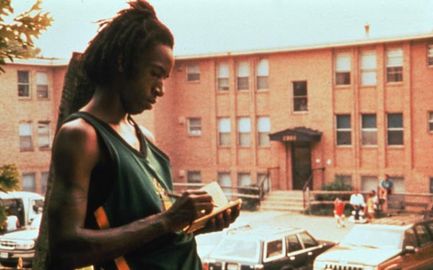
Saul Williams gives riveting performance of Raymond Joshua,
a gifted poet whose selling of marijuana makes him just another of the more than 800,000 incarcerated African Americans as shown in motion picture Slam (1998)
which has become an underground classic in describing the very limited choices and opportunities in urban ghettoes across the nation. Slam underscores theme in State of Black America 2007: "Portrait of Black Males." ·
The Issue: “We Need More Face Time with Our Children” (A “Child Watch” column by
Marian Wright Edelman) ·
Word Up! – “I Am a War Baby” (WAVE
Newspapers, ·
File Evaluation #1 Due – Black Is, Black
Ain’t (By or before Friday,
February 8th, 8:00pm) ·
·
Screening: Slam (1998) Week
Four Some Call It
“The Criminal (In) Justice System” February 10th-16th,
2008 ·
The Issue: “Racial Profiling!: Driving While
Black aka DWB’” ·
Word Up! – “Why Racial Profiling
Must Be Brought to an End” (WAVE Newspapers, ·
Film Evaluation #2 Due - Slam (By or before Friday, February 15th, 8:00pm) ·
Chat ‘N Chew #1: “New Millennium Holocaust: Black AIDS”
(Every student to have completed reading from Week 2 and the Background Script
in joining this first full class forum – Saturday, February 16th,
2009) ·
·
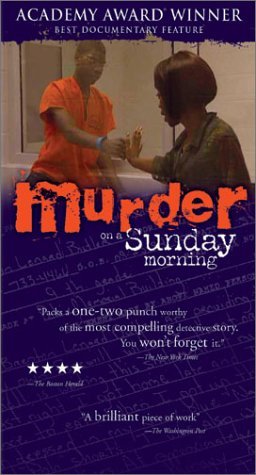
Screening: Murder On A Sunday Morning (2002) In the blockbuster
documentary Murder On A Sunday Morning, recipient of the 2002
Academy Award “Best Feature Documentary,” it took a French filmmaker to tackle
an American subject, i.e., “Walking while black,” aka racial profiling, and
show as painfully real and shocking today as any account the racial disparities
African Americans and other people of color have to contend with in this
Post-Civil Rights Era. ·
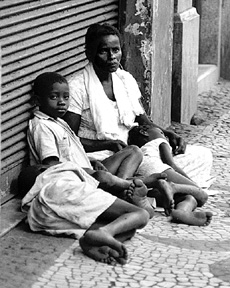
Rap Time No. 2: “Black Homelessness in Homeless mother shown here
on the streets with her three tired, hungry children in dramatizing fact that 70 percent of “That is our dilemma. After
the dreaming is done, there has to be an awakening, and the
reality of our imperfections must be addressed. Sooner or later
the dreams that enrapture us and the tales that regale us
must make way for the truth which alone can set us free. All of us.” -- C. Eric Lincoln From “The American Dilemma
in Perspective,” Race, Religion and the
Continuing American Dilemma Week
Five The Struggle
for Civil and Human Rights Continues February 17th-23rd,
2008 “The
obligation of anyone who thinks of himself as responsible is to examine
society and try to change it and to fight it – at no matter
what risk. This is the only hope society has. This is the only
way societies change.” -- James Baldwin -- From “A Talk To Teachers” ·
The Issue: “Wanted: A 2007 Class of Heroes
and Sheroes” (A “Child Watch”
column by Marian Wright Edelman, May 18, 2007) ·
Word Up! – “Do the Math!:
The Playing Field Is Not Level” (WAVE Newspapers, ·
Film Evaluation #3 Due – Murder
On A Sunday Morning (By or before Friday, February 22nd,
8:00pm) ·
·
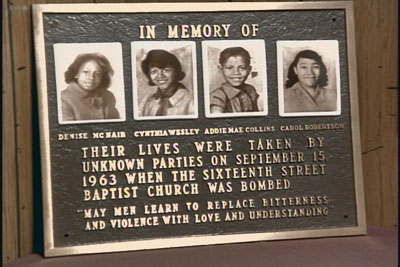
Screening: 4 Little Girls (
(1998 Academy Award-Nominee for Best Feature Documentary, A Spike Lee
Joint) Week
Six Broken
Promises: Of the Public School System February 24th-March
1st, 2008 The husband and wife
creative team of Alan and Susan Raymond earned Academy Award for “Best Feature
Documentary” in producing I Am A
Promise: The Children of ·
The Issue: “The Enduring ·
Word Up! – “The Clapping of the Thunder: We Will Not Abandon Our Schools!” (WAVE
Newspapers, ·
Film Evaluation #4 Due – 4 Little Girls (By or before Friday, February 29th, 8:00pm) ·
·
Screening: I Am A Promise: The Children of ·
Chat
‘N Chew #2: “On the Death of King/Harbor Medical Center: Shredding the Urban Health
Care Safety Net.”(Saturday, March 1st, 2008) The highly-controversial
closure of the Martin Luther King, Jr. / ·
Bonus Screening: A Raisin in the Sun (ABC-TV
World Premiere, Monday, February 25th, 2008. Students can receive up
to 1.0 Bonus points for viewing and then submitting a Film Evaluation of this
World Premiere of the 2004 Tony Award-winning production of Week Seven The
Elephant in the Living Room: Black Homophobia March 2nd-8th,
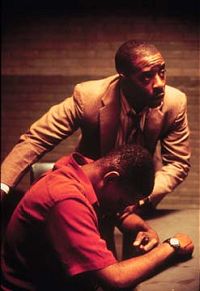
2008 Courtney Vance is shown here
in one of great roles from an outstanding career as he plays defense attorney
fighting for young Black male on trial for fighting back against mob of whites
bent on hate crime in the thought-provoking feature film Blind Faith (1998) that opens doors
wide to discussion on Black American taboo. ·
Word Up! – “When Is It Ever the ·
Film Evaluation #5 Due – I Am a Promise:
The Children of ·
Midterm Examination (To be posted on Monday
as of 7:00pm) ·
·
Bonus Screening: Blind Faith (1998 with
Courtney Vance and Charles Dutton ) ·
Rap Time #3: “Out in the Open: Bill Cosby’s ‘Pound Cake’ Speech” (The
prerequisite for participating in this “Rap Time” will be all students having
downloaded and read “The Pound Cake Speech” by Bill Cosby and “Poor Excuse: Cosby and the Politics of
Disgust,” pgs. 391-408 from Debating Race with Michael Eric Dyson;.
Opens as of 1:00pm Friday, March 7th. Students then have through
1:00pm Thursday, March 27th, in which to respond to the original Rap
Time Prompt. They then have through 1:00pm Friday, April 4th, in
which to respond to the postings to that same prompt made by any two
classmates.) Dr. William Cosby commenting
on “Pound Cake” speech made at dinner given by NAACP on 50th
Anniversary of Brown v. Week Eight When
Dreams Are Deferred: Inner-City Youth and Professional Sports March 9th-15th,
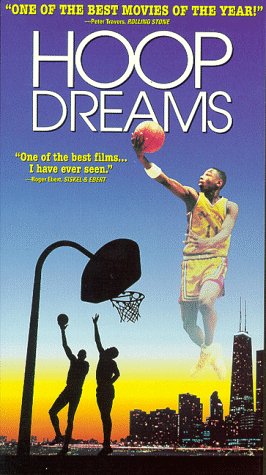
2008 Now rightfully assuming its
place amongst the great American exposes of corruption and deceit where the nation’s
youth is concerned, Hoop Dreams stands out as a documentary that shows how
life can be so much more engrossing that fiction when the subject is the
pursuit of the American Dream by people of color. ·
The Issue: “Black Families Need to Hold On To
Children – Our Growing Edge” (A “Child
Watch” column by Marian Wright Edelman, February 16, 2007) ·
Word Up! – “A Knocking at Midnight: Who
Will Answer the Door” (WAVE Newspapers, February 9, 2000) ·
Midterm Examination Due (As of
4:30pm, Friday, March 14th ) ·
Screening: Hoop Dreams
(1994, A film by Steve James,
Frederick Marx and Peter Gilbert. To be obtained at your local video store) ·
Reading: “How Are the Children? African American Boys in Foster Care” by William
C. Bell, The State of Note – March
16th-22nd is Spring Break – Campus Closed and No Classes
Scheduled Week Nine Of America’s Most Enduring
Controversy: Interracial Relationships March 23rd-29th,
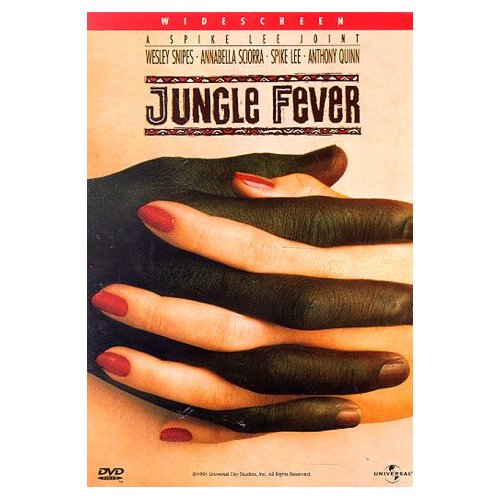
2008 This cover says it all in
pumping up public interest in Spike Lee melodrama Jungle Fever,
film that unearthed yet another American social taboo with interracial dating
many years after ·
The Issue: “Black Men, White Women” ·
Word Up! – “There Is a Lesson
in ‘Children of ·
Bonus FE #2 Due – Blind Faith (Valued at up to 0.75 pts. due by or before Wednesday, March 26th, 6:00pm) ·
Film Evaluation #6 Due – Hoop
Dreams , by or before Saturday, March 29th, 6:00pm) ·
Reading: “The National Urban League 2007 Equality Index” by Rondel Thompson and
Sophia Parker, The State of Black America 2007; “In His Own Hands: Black Male Intensity and
Latrell Sprewell’s American Dream,” pgs. 251-268 and “ResponsiBillity: Cosby’s Conservative Turn,”
pgs. 381-386 from Debating Race with Michael Eric Dyson; and “Holding the Media
Accountable” by Farai Chideya ,
pgs. 215-244 from Black Genius. ·
Screening: Jungle Fever
(1991, A Spike Lee Joint) “We should heed (George) Orwell’s words in
the discussions of Black English. The grim naysayers of black
potential are the ones whose language is most opprobrious.
Those folk who denigrate Black English without trying to
understand it speak in bad faith. Those political critics who
obfuscate their role in the economic suffering of the black ghetto
with political chicanery are the real trouble. And those
financially secure black folk who demean the users of Black English
without working to get them better jobs, or to make
sure that the future of the country’s poorest black
children is as bright as their own children’s, speak a language of
moral hypocrisy. If all of this is standard, then perhaps we
should give Non-standard a try.” -- Michael Eric Dyson -- From Race Rules: Navigating the Color
Line, 1997 “Michael Eric Dyson
(pictured above) is the most courageous and visionary public intellectual on
the scene today. He exemplifies a profound commitment to social justice and a
genuine love of black people, especially poor black people.” This assessment by
noted philosopher and theologian Cornel West speaks to Dyson’s body of work to
include his critique of Bill Cosby’s “Pound Cake” speech. Week Ten A
Recipe with Tragic Consequences: March 30th-April
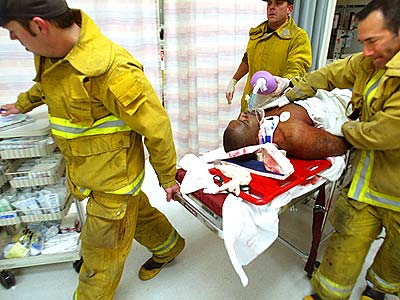
5th, 2008 Gunshot victim is brought
into the now-closed ·
The Issue: “Protect Children, Not Guns” (A “Child Watch” column by Marian Wright
Edelman, February 2, 2007) ·
Word Up! – “Reflections on Bullworth and Presidential
Politics 2000” (WAVE Newspapers, ·
Film Evaluation #7Due – Jungle Fever (By or before Friday, April 4th,
8:00pm) ·
Screening: Bastards of the Party (2007, A
Film by Cle “Bone” Sloan, produced by Antoine Fuqua, an HBO-TV Special – on
reserve at the Oviatt Library Media Center) ·
·
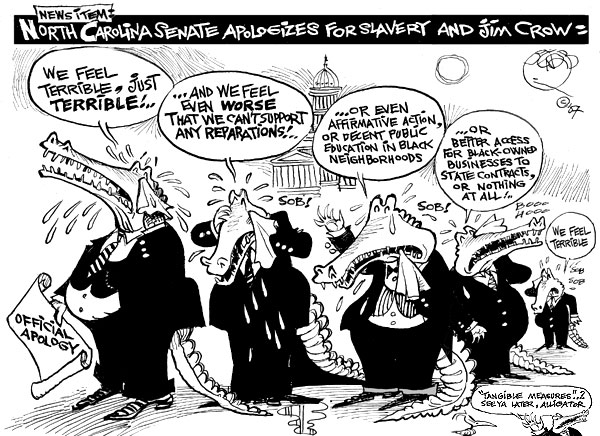
Rap Time #4 “Give Me My 40 Acres and My Mule! The
Argument for Black Reparations” (For this final Rap Time, all students are required to read “Sorry
Seems to be the Hardest Word: Apologies and Reparations for Slavery,” pgs.
315-326 from Debating Race with Michael Eric Dyson. Opens as of 1:00pm
Monday, April 7th with students having up through 9:00pm that
following Wednesday, April 16th, in which to respond to the Rap Time
Prompt itself. Students then have through 1:00pm Friday, April 25th,
in which to select and respond to the postings made to that original prompt by
any two classmates. Students cautioned again to limit postings to just three.) Week Eleven Trying
to Do the Right Thing? April 6th-12th,
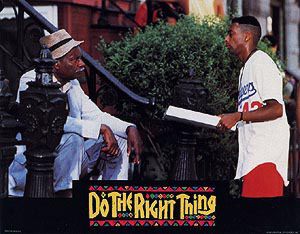
2008 One of the most important
films ever made describing American culture, race relations, and the inner
workings of Black America describes Do The Right Thing – the
open-ended Spike Lee opus that is as relevant today as it was 15 years ago. Filmmaker
Lee, right, shown in scene from the movie with the late Ossie Davis, a true legend
of Black American filmmaking. ·
The Issue: “Let’s Put the ‘Justice’ Back in
Our Criminal Justice System” (A “Child
Watch” column by Marian Wright Edelman, November 30, 2007) ·
Word Up! – “Of ·
Film Evaluation #8 Due – Bastards of the Party (By or before Friday, April 11th,
8:00pm) ·
Reading: “My Dungeon Shook: Letter to My Nephew on the
One-Hundredth Anniversary of the Emancipation”
by James Baldwin first published in The Progressive, December 1962 and
published by the Dial Press, 1963 in The Fire Next Time. ·
Screening: Do The Right Thing (1989, A Spike Lee Joint) ·
Chat 'N Chew #3: "Ebonics
Revisited: Or the Inside Story of America's Failure in Educating African
American Kids in Inner-City Schools" (Saturday, April 12th,
2008) Week 12 The
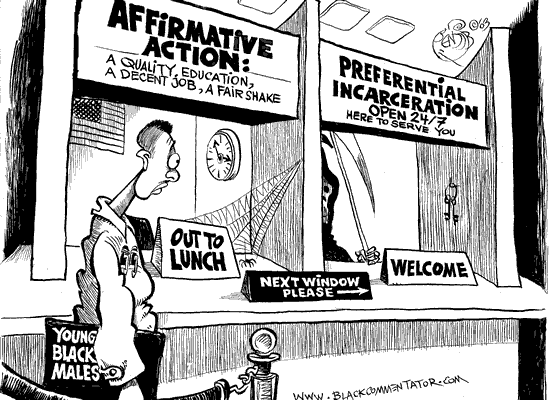
Not-So Quiet Death of Affirmative Action April 13th-19th,
2008 ·
The Issue: “Young, Black and Locked Up” (A “Child Watch” column by Marian Wright
Edelman, November 23, 2007) ·
Word Up! – “Reflections on the LAPD’s Rampart Scandal”
(WAVE Newspapers, ·
Film Evaluation #9 Due – Do the Right Thing (By or before 8:00pm, Friday, April
18th, 2008) ·
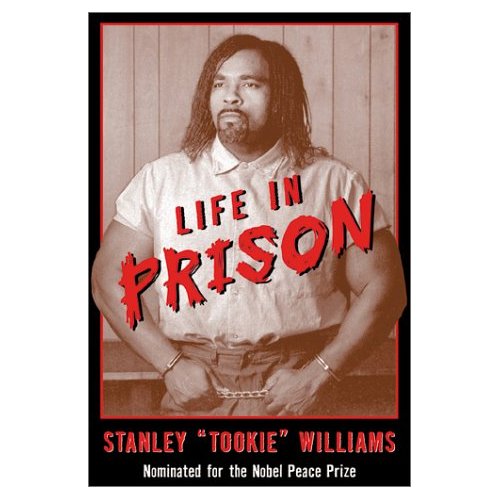
Screening: Redemption: The Stanley Tookie
Williams Story (2004, starring Jamie Foxx as Stanley
“Tookie” Williams, co-founder of the Crips street gang/Death Row inmate and
Nobel Peace Prize nominee) ·
·
Chat 'N Chew #4: "Hurricane Katrina and the Great ·
Bonus Screening: Akeelah and the Bee (2006) starring Laurence Fishburne, Angela
Bassett and Kiki Palmer with this Bonus FE#3 valued at up to 0.75 points
and due by or before 6:00pm Saturday, April 19th via email. Week Thirteen When A
Million Black Men Marched April 20th-26th,
2008 Responding
to Nation of Islam leader Louis Farrakhan’s call for a “National Day of
Atonement,” more than 1 million African American Men traveled to ·
The Issue: “In the Matter of the Million Man March”
·
Word Up! – “Body Counts, ‘Walk-Ups’ and the NRA”
(WAVE Newspapers , ·
Film Evaluation #10 Due – Redemption: The ·
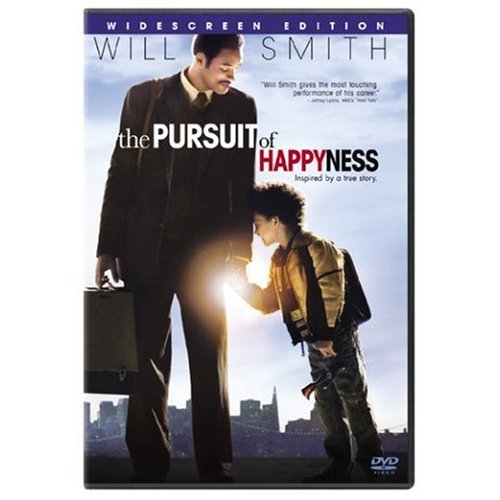
Film: the pursuit of Happyness (2007) ·
·
Final Rap Time #5 "Concerning the Campaign of Sen. Barack Obama: 'Will a Black American Ever Be Elected President of the Nation that, first of all, Was a Major Player in the Transatlantic Slave Trade?" (For this final Rap Time, all students are required to do the background reading of Barack Obama's "A More Perfect Union" and related materials. Opens as of 1:00pm
Friday, April 25th with students having up through 9:00pm that
following Friday, May 2nd, in which to respond to the Rap Time
Prompt itself. Students then have through 9:00pm Friday, May 9th,
in which to select and respond to the postings made to that original prompt by
any two classmates. Students cautioned again to limit postings to just three.) ·
Chat 'N Chew #5: "The New Color Line: Blacks v. Browns in
Struggle Where There Can Be No Winner" (Preparation for this
Chat includes reading "The Mexicans Are
Coming: Immigration and the Borders of Fear," pgs. 129-154 from Debating
Race with Michael Eric Dyson; Saturday, April 26th, 2008) Week 14 No
More Skeletons in the Closet: Child Abuse April 27th-May
3rd, 2008 Bishop T.D. Jakes shown here
in poignant scene from ground-breaking feature film Woman Thou Art Loosed
which unearthed one of the major skeletons tucked away for so many years in
Black America’s closet. ·
The Issue: “More Parents Struggling to Keep
Their Children Healthy” (A “Child
Watch” column by Marian Wright Edelman, April 6, 2007) ·
Word Up! – “The Things We Have in Common” (WAVE
Newspapers, ·
Film Evaluation #11 Due – the Pursuit of
Happyness (By or before Friday, May 2nd, 8:00pm) ·
Screening: Woman Thou Art Loosed (2004) ·
Picture above is of black
boy riding bicycle down Week 15 And
the Winner Is – Barack Obama? May 4th-10th,
2008 ·
The Issue: Can a Black Man, or Woman for that Matter, Really Be Elected President of
the ·
Word Up! – “The Fire This Time” (reprinted
from The Stanford Magazine, 1994 CASE Silver Medal Award for “Best
Feature Story”) ·
Film
Evaluation #12 Due – Woman, Thou Art Loosed (As of 6:00pm, May
9th, Saturday) ·
·
Final Chat ‘N Chew #6: “Will a Black Man Ever Be Elected President
of the Week Sixteen Finals Week:
The Last Word May 11th-17th,
2008 ·
The Issue:: “Dr. King's Prophetic Call to Conscience and Action” (A “Child Watch” column by Marian Wright
Edelman, January 18, 2008) ·
Viewing: Marian Wright Edelman, Executive Director, Children’s Defense Fund, O-Ed
Essay, The State of ·
Contemporary Issues Exit Essay Examination
(Posted Monday morning at 10:00am and due as of that Monday night, 12
midnight – to be sent as Microsoft Word attachment only!!) ·
Contemporary Issues Case Study Due
(Hard copy due in Pan African Studies Main Office, Faculty Office Building Room
221, postmarked by or before Friday, May 16th, 4:30pm) 


 "">
"">